
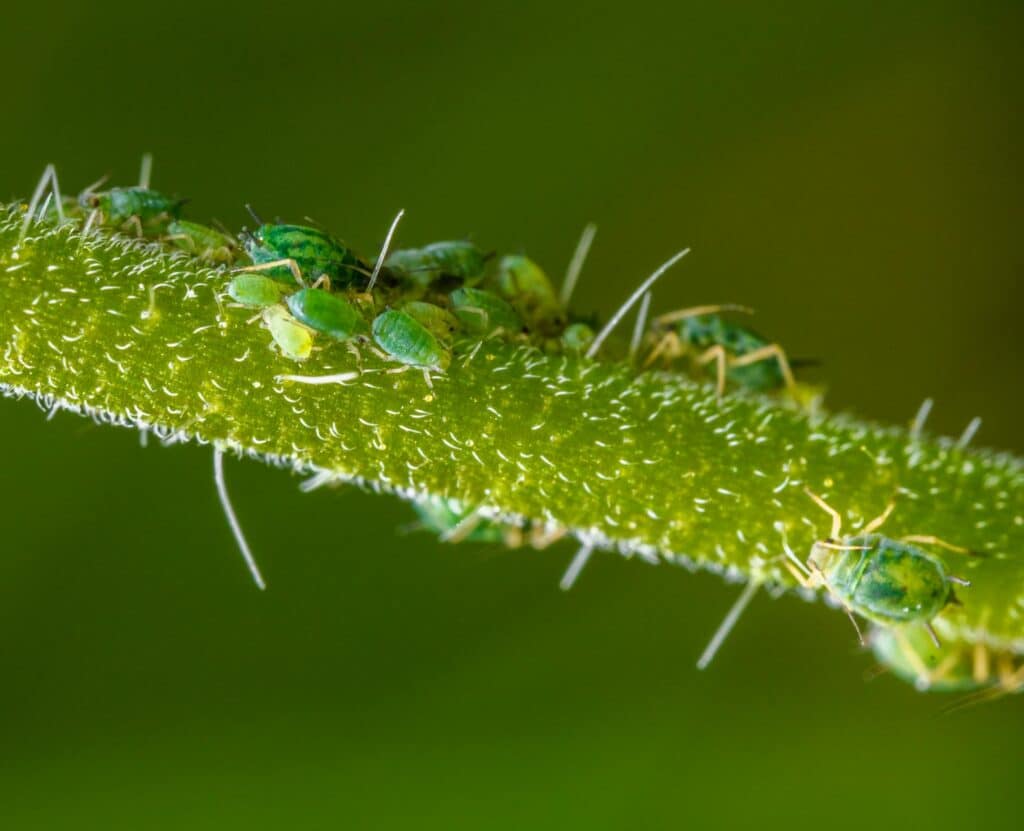
Urban farming is transforming how people produce food in cities, offering solutions for food security, sustainability, and healthier living. From balconies and rooftops to indoor hydroponic systems, urban agriculture is becoming more accessible than ever. However, one of the biggest challenges urban farmers face is pest infestation. Pests can damage crops, reduce yields, and quickly turn a thriving garden into a struggling one.
Managing pests in an urban environment requires a strategic and sustainable approach. Unlike largescale rural farms, urban farms are closer to living spaces, meaning farmers must prioritize safe, ecofriendly pest control methods. This post explores how to control and manage pests effectively across different urban farming systems, while also highlighting common pests and practical solutions.
UNDERSTANDING PESTS IN URBAN FARMING
Pests are organisms that harm plants and these include insects, rodents, birds, and microorganisms such as fungi and bacteria. Urban environments often create ideal conditions for pests due to:
- Warm temperatures from buildings and concrete surfaces
- Limited natural predators
- High humidity in enclosed or indoor systems
- Poor sanitation or overcrowded planting
Key Points to Understand:
- Pests thrive where plants are stressed or poorly maintained
- Early detection is critical for effective control
- Not all insects are harmful some are beneficial
Understanding pest behavior is the first step toward effective management.
PEST MANAGEMENT IN CONTAINER GARDENING
Container gardening is widely used in urban areas due to limited space. However, it is highly vulnerable to pests because plants are concentrated in small areas.
Common pests in container gardens:
- Aphids that suck plant sap and weaken growth
- Spider mites that cause leaf discoloration and webbing
- Whiteflies that cluster under leaves and spread quickly
How to control them:
- Regularly inspect leaves, especially the undersides
- Use natural sprays such as neem oil or soapy water
- Introduce beneficial insects like ladybugs
- Ensure proper spacing and airflow between containers
Key takeaway:
Healthy, well-spaced plants are less likely to attract pests in container systems.
PEST CONTROL IN RAISED BED GARDENS
Raised beds provide better soil control and drainage, but they are still susceptible to various pests.
Common pests in raised beds:
- Caterpillars that chew leaves aggressively
- Beetles that create holes in foliage
- Ants that protect aphids and increase infestations
Effective control methods:
- Use row covers or mesh nets to block insects
- Handpick visible pests like caterpillars
- Apply organic treatments such as Bacillus thuringiensis (Bt)
- Eliminate ant colonies using natural deterrents like vinegar
Key takeaway:
Combining physical barriers with organic solutions offers strong protection.
MANAGING PESTS IN VERTICAL FARMING SYSTEMS
Vertical farming is ideal for maximizing space but creates controlled environments where pests can spread quickly.
Common pests in vertical farms:
- Fungus gnats that damage plant roots
- Thrips that distort plant growth
- Mites that weaken leaves and stems
Control pest control strategies:
- Reduce excess moisture and improve ventilation
- Use sticky traps to monitor flying insects
- Introduce biological controls like beneficial nematodes
- Maintain cleanliness in growing systems
Key Takeaway:
Environmental control is the most powerful tool in vertical farming pest management.
PEST CONTROL IN HYDROPONIC SYSTEMS
Hydroponics eliminates soil but does not eliminate pests entirely. Clean systems are essential for success.
Common hydroponic pests:
- Algae that encourages pest growth
- Root aphids that attack plant roots
- Fungus gnats that thrive in moist conditions
How to manage them:
- Block light from reaching nutrient solutions
- Regularly clean and sterilize equipment
- Monitor plant roots for early signs of damage
- Maintain proper pH and nutrient balance
Key Takeaway:
Hygiene and system maintenance are critical in hydroponic pest control.
MANAGING PESTS IN ROOFTOP GARDENS
Rooftop gardens are exposed to outdoor conditions, making them vulnerable to both insects and larger pests.
Common rooftop pests:
- Birds that eat seeds and fruits
- Rodents that damage plants and spread contamination
- Grasshoppers and other large insects
Control Measures:
- Install bird netting or protective mesh
- Use raised beds with secure structures
- Apply natural repellents like garlic or chili sprays
- Keep the garden clean to avoid attracting pests
Key takeaway:
Physical barriers are highly effective for controlling larger pests in rooftop gardens.
PEST MANAGEMENT IN AQUAPONICS SYSTEMS
Aquaponics combines fish and plant farming, requiring extra care in pest control to avoid harming aquatic life.
Common pests in aquaponics:
- Aphids that feed on plant sap
- Caterpillars that damage leaves
- Fungal infections affecting plant health
Safe control methods:
- Manually remove pests when possible
- Introduce beneficial insects
- Use minimal organic sprays carefully to avoid water contamination
- Maintain a balanced ecosystem
Key Takeaway:
Natural and nontoxic methods are essential in aquaponics systems.
INTEGRATED PEST MANAGEMENT (IPM) APPROACH
Integrated Pest Management (IPM) is the most effective and sustainable way to control pests in urban farming. It combines multiple strategies to minimize damage while protecting the environment.
Core principles of IPM:
- Prevention through proper plant care
- Monitoring pest activity regularly
- Using biological, mechanical, and cultural controls
- Applying chemicals only as a last resort
Benefits of IPM:
- Reduces reliance on harmful pesticides
- Promotes long term sustainability
- Protects beneficial organisms
Key Takeaway:
IPM focuses on balance rather than complete pest elimination.
GENERAL PEST PREVENTION STRATEGIES
Preventing pests is always more effective than dealing with infestations after they occur.
Essential prevention techniques:
- Maintain healthy soil and proper nutrition
- Water plants correctly to avoid stress
- Rotate crops to disrupt pest life cycles
- Practice companion planting to repel pests
- Keep the farm clean and free of debris
Key Takeaway:
Strong, healthy plants are naturally more resistant to pests.
BIOLOGICAL AND NATURAL PEST CONTROL METHODS
Using natural solutions is crucial in urban farming due to environmental and health concerns.
Examples of Natural Controls:
- Ladybugs that feed on aphids
- Lacewings that consume soft bodied insects
- Neem oil as an organic pesticide
- Garlic and chili sprays as repellents
Advantages:
- Environmentally friendly
- Safe for humans and pets
- Supports biodiversity
Key Takeaway:
Nature provides effective tools for managing pests sustainably.
MECHANICAL AND PHYSICAL PEST CONTROL METHODS
These methods involve physically removing or blocking pests.
Common Techniques:
- Sticky traps for flying insects
- Netting and row covers for protection
- Handpicking visible pests
- Barriers to prevent pest access
Key Takeaway:
Simple physical methods can be highly effective, especially in small urban farms.
RESPONSIBLE USE OF CHEMICAL CONTROLS
While chemical pesticides should be avoided, when possible, they may sometimes be necessary.
Guidelines for safe use:
- Choose organic or low toxicity options
- Apply only when absolutely needed
- Follow instructions carefully
- Avoid spraying during peak pollinator activity
Key Takeaway:
Chemical control should always be the last option in urban farming.
Conclusion: Building a pest resilient urban farm
Managing pests in an urban farm is not about eliminating them completely but about maintaining balance. Each farming system—whether container gardening, raised beds, vertical farming, hydroponics, rooftop gardens, or aquaponics—has its own pest challenges. However, with the right knowledge and strategies, these challenges can be effectively managed.
Final key points:
- Regular monitoring prevents major infestations
- Healthy plants are less vulnerable to pests
- Natural and sustainable methods are the best long-term solutions
- Combining multiple strategies ensures better results
Urban farming is a rewarding journey, and effective pest management is a crucial part of that success. By adopting a proactive and ecofriendly approach, urban farmers can protect their crops, improve yields, and create thriving green spaces within the city.