
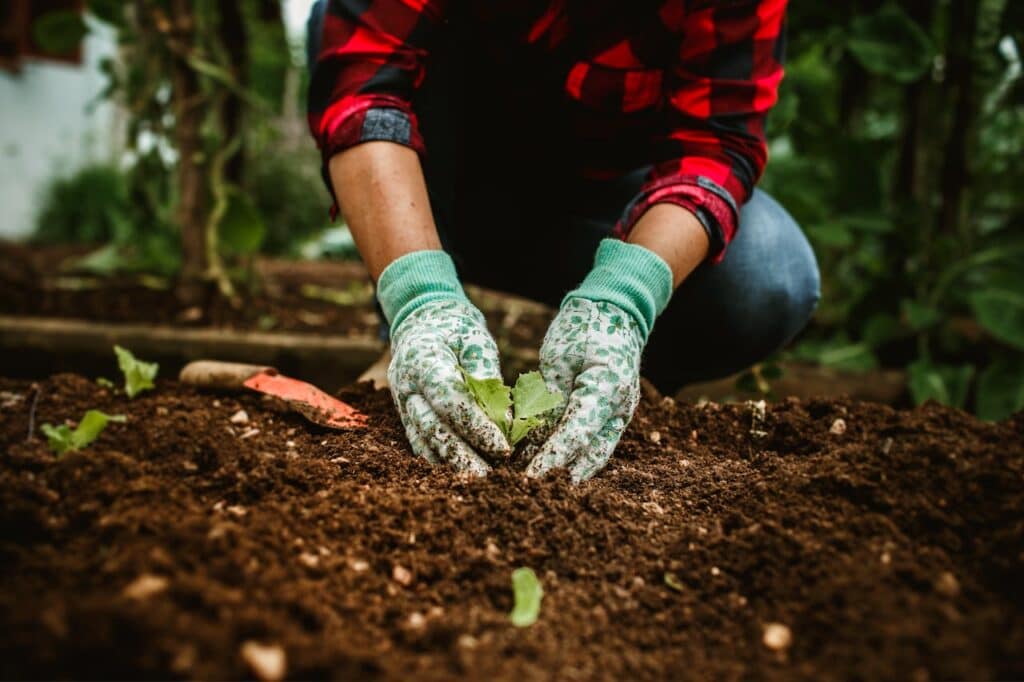
Urban living offers convenience, connectivity, and opportunity. Cities bring together commerce, culture, innovation, and diversity. Yet alongside these advantages come real challenges limited green space, air pollution, rising food costs, stress, and increasing disconnection from nature.
In this context, having a garden at home in an urban setting is more than a decorative choice. It is a transformative decision that enhances physical health, mental wellbeing, environmental sustainability, financial resilience, and even social cohesion. Whether it is a small balcony herb corner, a rooftop vegetable patch, a vertical wall garden, or a modest backyard oasis, urban gardening delivers measurable and meaningful benefits.
This post explores why every urban household should consider cultivating a garden no matter how small the space.
1. Improving physical health through fresh, nutritious food
One of the most practical benefits of home gardening is direct access to fresh produce. Urban residents often rely on supermarkets or roadside vendors for fruits and vegetables, which may be transported over long distances, stored for extended periods, or treated with preservatives. Growing your own food changes that dynamic.
- Access to fresh and chemical free produce
When you cultivate vegetables and herbs at home, you control what goes into your soil and onto your plants. You decide whether to use organic compost, natural pest control methods, or synthetic chemicals. This control reduces exposure to harmful residues and ensures that your food is as fresh as possible.
Leafy greens, tomatoes, peppers, carrots, onions, spinach, herbs like basil and coriander these are all suitable for small urban gardens and can significantly improve household nutrition.
- Encouraging healthier eating habits
Research consistently shows that people who grow their own food are more likely to consume more vegetables and fruits. When produce is readily available just outside your kitchen door, incorporating it into meals becomes easier and more appealing.
Children, in particular, benefit from exposure to gardening. They are more inclined to eat vegetables they helped grow, fostering lifelong healthy eating habits.
- Promoting physical activity
Gardening is also a form of moderate exercise. Digging, planting, watering, pruning, and harvesting all involve movement. While it may not replace structured workouts, it contributes to an active lifestyle, especially for individuals who work desk based urban jobs.
2. Enhancing mental health and reducing stress
Urban environments can be overwhelming. Noise pollution, traffic congestion, crowded spaces, and fast paced lifestyles contribute to chronic stress. A home garden acts as a therapeutic sanctuary.
- A Natural stress reliever
Spending time around plants has been shown to lower cortisol levels, reduce anxiety, and improve mood. The act of tending to a garden encourages mindfulness. It shifts attention away from screens and daily pressures, grounding individuals in the present moment.
Even small-scale gardening watering potted plants on a balcony can create a calming routine that promotes mental clarity.
- Creating a personal retreat
In dense urban neighborhoods where, green public spaces may be limited or overcrowded, a home garden becomes a private retreat. It offers a quiet corner for reading, reflection, or family bonding.
The presence of greenery itself has psychological benefits. Studies on urban planning have shown that people living near green spaces report higher life satisfaction and lower stress levels. Bringing greenery into your own living space amplifies this benefit.
3. Contributing to environmental sustainability
Urban areas are significant contributors to environmental degradation, including air pollution, heat retention, and waste generation. Home gardens, though small individually, collectively contribute to environmental improvement.
- Improving air quality
Plants absorb carbon dioxide and release oxygen. They also trap dust and particulate matter. In polluted cities, even small clusters of plants can help improve microlevel air quality around homes.
While a single garden will not solve urban pollution, widespread adoption of home gardening creates a cumulative positive effect.
- Reducing urban heat
Cities often experience the “urban heat island” effect where concrete, asphalt, and buildings trap heat, making cities significantly warmer than surrounding rural areas. Rooftop gardens, balcony plants, and backyard greenery help cool the immediate environment.
Plants provide shade and release moisture into the air through transpiration, naturally lowering temperatures.
- Promoting biodiversity
Urban expansion often reduces habitats for birds, bees, and beneficial insects. A home garden can serve as a Mini ecosystem. Flowering plants attract pollinators such as bees and butterflies. Small trees and shrubs offer resting spots for birds.
By planting diverse species, urban households contribute to preserving local biodiversity.
4. Strengthening food security and financial savings
Food prices in urban centers are subject to inflation, transportation costs, and supply chain disruptions. Recent global events have demonstrated how vulnerable urban food systems can be.
- Increasing household food resilience
A home garden, even if modest, enhances household food security. During periods of supply shortages or price hikes, having access to homegrown vegetables provides a buffer.
While few urban gardens can supply all food needs, they can supplement diets and reduce dependency on external markets.
- Cutting grocery costs
Over time, growing herbs and vegetables can significantly reduce grocery expenses. Herbs, for example, are often expensive in supermarkets but easy to grow at home. A small investment in seeds, soil, and containers can yield months of harvest.
Moreover, composting kitchen waste to create organic fertilizer reduces the need for purchased inputs, creating a self-sustaining cycle.
5. Maximizing limited urban space through innovation
One common misconception is that gardening requires large land areas. Modern urban gardening techniques prove otherwise.
Vertical gardens use walls or stacked systems to grow plants upward instead of outward. This is ideal for apartments and small homes. Wall mounted planters, hanging pots, and tiered shelving systems can transform unused vertical space into productive green areas.
Flat rooftops in urban buildings offer excellent gardening opportunities. With proper waterproofing and lightweight containers, rooftops can become vegetable gardens, relaxation spaces, or even small orchards.
Container gardening allows plants to grow in pots, buckets, recycled containers, or raised beds. This approach is flexible, portable, and adaptable to balconies, verandas, and small courtyards.
Innovation ensures that space constraints are no longer an excuse for lacking greenery.
6. Fostering family bonding and community engagement
A home garden is not just about plants; it is about people.
- Strengthening family relationships
Gardening can become a shared family activity. Parents and children can plant seeds together, observe growth cycles, and celebrate harvests. These shared experiences create lasting memories and teach responsibility and patience.
Children learn practical skills such as nurturing living things, understanding food systems, and respecting nature that formal education may not fully provide.
- Inspiring community interaction
Urban gardens often inspire neighbors. When one household starts gardening, others may follow. This can lead to seed sharing, exchange of gardening tips, and even community gardening initiatives.
Cities around the world, such as Singapore, have integrated urban gardening into public housing and city planning strategies. Similarly, cities like New York City support community gardens that transform vacant lots into vibrant green spaces.
These examples demonstrate how small household gardens can evolve into broader community movements.
7. Supporting sustainable waste management
Urban households generate significant organic waste vegetable peels, fruit scraps, coffee grounds, and garden clippings.
- Composting at home
A home garden encourages composting. Organic waste can be converted into nutrient rich compost instead of ending up in landfills. Compost improves soil fertility and reduces reliance on chemical fertilizers.
By composting, households reduce methane emissions from decomposing waste in landfills and close the loop between consumption and production.


8. Enhancing property value and aesthetic appeal
A well-maintained garden significantly improves the visual appeal of a property.
- Increasing real estate value
Green spaces are attractive to potential buyers and tenants. Properties with gardens, landscaped yards, or rooftop greenery often command higher market value. They signal care, sustainability, and improved quality of life.
- Creating beautiful living spaces
Beyond financial value, gardens simply make homes more beautiful. Flowering plants, ornamental shrubs, and edible landscapes create color, texture, and vibrancy in otherwise concrete dominated surroundings.
In urban environments where architecture often prioritizes functionality over aesthetics, gardens soften harsh lines and bring warmth to living spaces.
9. Teaching patience, responsibility, and long-term thinking
Gardening is a powerful metaphor for life and business. Seeds do not sprout overnight. Plants require consistent care, attention, and adaptation to changing conditions.
In a world increasingly driven by instant gratification, gardening teaches patience. It reinforces the value of nurturing something over time and understanding natural cycles.
For professionals in high-pressure urban careers, gardening can serve as a reminder of steady growth and resilience.
10. Encouraging sustainable urban development
As cities expand, sustainable urban planning becomes critical. Home gardens align with broader global sustainability goals.
They reduce carbon footprints by minimizing food transportation distances. They support local ecosystems. They encourage mindful consumption. And they promote responsible resource use.
Urban households that adopt gardening practices contribute, collectively, to more livable and resilient cities.
PRACTICAL STEPS TO START AN URBAN HOME GARDEN
If you are inspired to begin, consider the following steps:
1. Assess your space: Identify available areas balcony, rooftop, windowsill, backyard.
2. Start small: Begin with easy to grow plants such as herbs, lettuce, tomatoes, or spinach.
3. Use quality soil: Invest in nutrient rich soil or compost.
4. Ensure adequate sunlight: Most vegetables require 4–6 hours of sunlight daily.
5. Water consistently: Avoid overwatering; understand each plant’s needs.
6. Experiment and learn: Gardening involves trial and error. Learn from each season.
You do not need perfection to begin. Even a few pots can make a meaningful difference.
Conclusion
Urbanization continues to reshape how people live, work, and interact with the environment. Yet amid skyscrapers, highways, and dense neighborhoods, the simple act of growing plants at home remains profoundly impactful.
A home garden in an urban setting improves health, reduces stress, enhances environmental sustainability, strengthens food security, beautifies property, and nurtures community. It transforms limited spaces into productive ecosystems and reconnects individuals with nature.
Ultimately, urban gardening is not just about cultivating plants it is about cultivating wellbeing, resilience, and responsibility in modern city life.
In a world increasingly dominated by concrete and digital screens, a garden reminds us of something essential: growth is possible, even in the smallest spaces.