
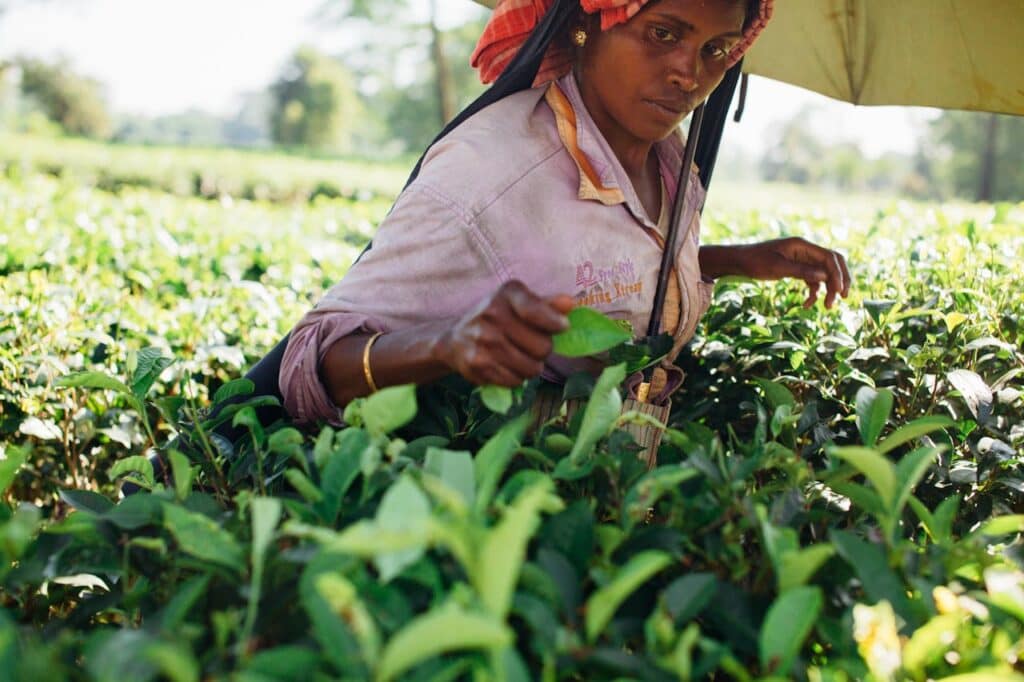
Agribusiness is one of the most essential sectors of the global economy. It provides food, raw materials, employment, and income for millions of people worldwide. However, despite its importance and potential profitability, many farmers and agribusiness entrepreneurs struggle with rising production costs, unpredictable weather conditions, fluctuating market prices, and inefficient resource management. These challenges can significantly reduce profit margins if not properly managed.
Saving money in an agribusiness is not simply about cutting costs blindly. Instead, it requires strategic planning, efficient resource utilization, adoption of appropriate technologies, and sound financial management. When farmers and agribusiness managers learn how to minimize unnecessary expenses while maintaining productivity and quality, they can significantly improve their long-term profitability and sustainability.
This article explores practical and effective strategies that farmers, agricultural entrepreneurs, and agribusiness managers can implement to save money while maintaining high productivity and operational efficiency.
1. Develop a detailed farm budget
One of the most important steps in saving money in an agribusiness is creating a detailed and realistic farm budget. Many farmers operate without a clear financial plan, which often leads to overspending and inefficient use of resources.
A farm budget helps you estimate income, plan expenses, and identify areas where costs can be reduced. It allows you to track spending on inputs such as seeds, fertilizers, labor, machinery maintenance, irrigation, and transportation.
A good farm budget should include:
- Production costs
- Operational costs
- Labor expenses
- Equipment and maintenance costs
- Marketing and distribution expenses
- Expected revenue from sales
By reviewing your budget regularly, you can quickly detect unnecessary spending and make adjustments before financial problems arise.
Budgeting also helps farmers prioritize investments that deliver the highest return, ensuring that money is used wisely and efficiently.
2. Invest in high quality seeds and inputs
While it may seem counterintuitive, investing in high quality agricultural inputs can actually save money in the long run. Cheap seeds, fertilizers, or pesticides often result in poor crop yields, increased pest infestations, and higher production risks.
High-quality seeds tend to be more resistant to diseases, pests, and harsh weather conditions. They also generally produce higher yields, which increases revenue without significantly increasing production costs.
Similarly, using reliable fertilizers and crop protection products ensures that plants grow efficiently and remain healthy throughout the production cycle.
Instead of purchasing the cheapest products available, agribusiness operators should focus on inputs that provide long-term value and productivity.
3. Adopt efficient irrigation systems
Water management is a critical factor in agricultural production. Inefficient irrigation methods can lead to water wastage, high energy costs, and reduced crop yields.
Modern irrigation technologies such as drip irrigation and sprinkler systems help farmers use water more efficiently while reducing operational costs. These systems deliver water directly to plant roots, minimizing evaporation and runoff.
Although installing efficient irrigation systems requires an initial investment, they significantly reduce water consumption and energy costs over time. In areas where water scarcity is becoming a serious challenge, efficient irrigation also helps ensure long-term farm sustainability.
Farmers can further save money by monitoring soil moisture levels and irrigating only when necessary.
4. Practice integrated pest management
Pests and diseases can cause significant losses in agribusiness. Many farmers respond by applying large quantities of chemical pesticides, which increases production costs and may harm the environment.
Integrated Pest Management (IPM) is a cost-effective and environmentally friendly approach that combines several pest control strategies. These include biological control, crop rotation, resistant crop varieties, and limited use of chemical pesticides.
By monitoring pest populations and applying control measures only, when necessary, farmers can reduce pesticide expenses while maintaining healthy crops.
IPM also improves soil health, protects beneficial insects, and reduces the risk of pesticide resistance.
5. Reduce post-harvest losses
Postharvest losses are a major financial challenge in agribusiness, especially in developing regions. Crops that spoil during harvesting, transportation, or storage represent wasted resources and lost income.
Farmers can save significant amounts of money by improving postharvest handling and storage practices.
Some effective strategies include:
- Using proper harvesting techniques
- Investing in adequate storage facilities
- Using temperature-controlled storage when necessary
- Improving packaging and transportation systems
For example, proper grain storage systems can protect crops from pests, moisture, and contamination, ensuring that farmers retain more of their harvest for sale.
Reducing postharvest losses not only saves money but also improves food security and farm profitability.
6. Use farm machinery efficiently
Farm machinery and equipment are essential in modern agriculture, but they can also be expensive to purchase, operate, and maintain.
To save money, farmers should ensure that machinery is used efficiently and maintained regularly. Preventive maintenance reduces the likelihood of costly repairs and equipment breakdowns during critical farming periods.
Some practical cost saving practices include:
- Regular servicing of tractors and machinery
- Proper storage of equipment
- Training workers on correct equipment use
- Sharing machinery with neighboring farmers
Machinery sharing arrangements or cooperatives can significantly reduce equipment costs for small and medium scale farmers.
7. Improve soil health
Healthy soil is the foundation of a productive and cost-efficient agribusiness. Poor soil management often leads to declining yields and increased dependence on expensive fertilizers.
Farmers can reduce input costs by adopting sustainable soil management practices such as:
- Crop rotation
- Cover cropping
- Organic composting
- Reduced tillage
These practices improve soil fertility, increase water retention, and support beneficial microorganisms. As a result, crops grow more efficiently with fewer external inputs.
Over time, improving soil health can significantly reduce the need for chemical fertilizers and enhance long-term farm productivity.


8. Embrace Smart Agricultural Technologies
Technological innovations are transforming modern agriculture. Precision farming tools, farm management software, and data driven technologies help farmers monitor crops, manage resources, and make better decisions.
Examples of useful agricultural technologies include:
- Soil sensors
- Weather monitoring systems
- GPS guided machinery
- Drone crop monitoring
Farm management apps
These technologies allow farmers to apply fertilizers, water, and pesticides more precisely, reducing waste and saving money.
Although technology adoption may involve initial costs, it often leads to significant long-term savings and improved productivity.
9. Buy inputs in bulk and plan purchases early
Another effective strategy for saving money in agribusiness is purchasing inputs in bulk. Buying seeds, fertilizers, pesticides, and animal feed in larger quantities often reduces the cost per unit.
Farmers who plan their purchases early can also avoid price increases during peak farming seasons.
Joining agricultural cooperatives or farmer groups can further increase purchasing power. When farmers buy inputs collectively, suppliers are often willing to offer discounts.
Proper planning and bulk purchasing can therefore reduce production costs significantly.
10. Diversify agricultural activities
Relying on a single crop or agricultural product can be financially risky. Market price fluctuations, pests, or unfavorable weather conditions can lead to major losses.
Diversification helps farmers spread risk while creating multiple income streams.
Examples of diversification strategies include:
- Growing multiple crop varieties
- Combining crop production with livestock farming
- Producing value added products
- Introducing agroforestry systems
Diversification also allows farmers to use resources more efficiently and maintain steady income throughout the year.
11. Reduce energy costs
Energy costs can significantly impact farm profitability, especially in operations that rely heavily on irrigation, machinery, or processing equipment.
Farmers can reduce energy expenses by adopting energy efficient technologies such as solar powered irrigation systems and energy saving machinery.
Renewable energy solutions are becoming increasingly accessible and affordable for agricultural operations. Solar energy, for instance, can power irrigation pumps, storage facilities, and farm buildings.
Over time, renewable energy investments can significantly reduce operational costs and improve environmental sustainability.
12. Improve financial record keeping
Good financial record keeping is essential for effective cost management in agribusiness. Without accurate records, it is difficult to track expenses, evaluate profitability, or identify areas for improvement.
Farmers should maintain detailed records of:
- Production costs
- Sales and revenue
- Labor expenses
- Equipment maintenance
- Input purchases
These records help farmers analyze their financial performance and make informed decisions about future investments and cost saving strategies.
In addition, proper record keeping can make it easier to access loans, grants, or financial support from agricultural institutions.
Conclusion
Saving money in agribusiness requires careful planning, efficient resource management, and strategic decision making. By implementing cost saving practices such as budgeting, efficient irrigation, integrated pest management, soil health improvement, and adoption of modern technologies, farmers can significantly reduce operational expenses while maintaining high productivity.
Agribusiness success is not determined solely by how much revenue a farm generates, but also by how effectively costs are controlled. Farmers who prioritize efficiency, sustainability, and smart financial management are better positioned to achieve long-term profitability.
As the global agricultural sector continues to face challenges such as climate change, rising input prices, and growing food demand, cost efficient farming practices will become increasingly important. By embracing these strategies, agribusiness operators can build resilient and profitable farming enterprises that thrive in a competitive and evolving agricultural landscape.